
GHG Protocol, all 15 categories
Scope 3 supply chain
For most organisations, Scope 3 accounts for 70 to 90% of total carbon emissions. We help you measure, understand and reduce yours, and prepare for the NHS full Scope 3 requirement in April 2027.
What are Scope 3 emissions?
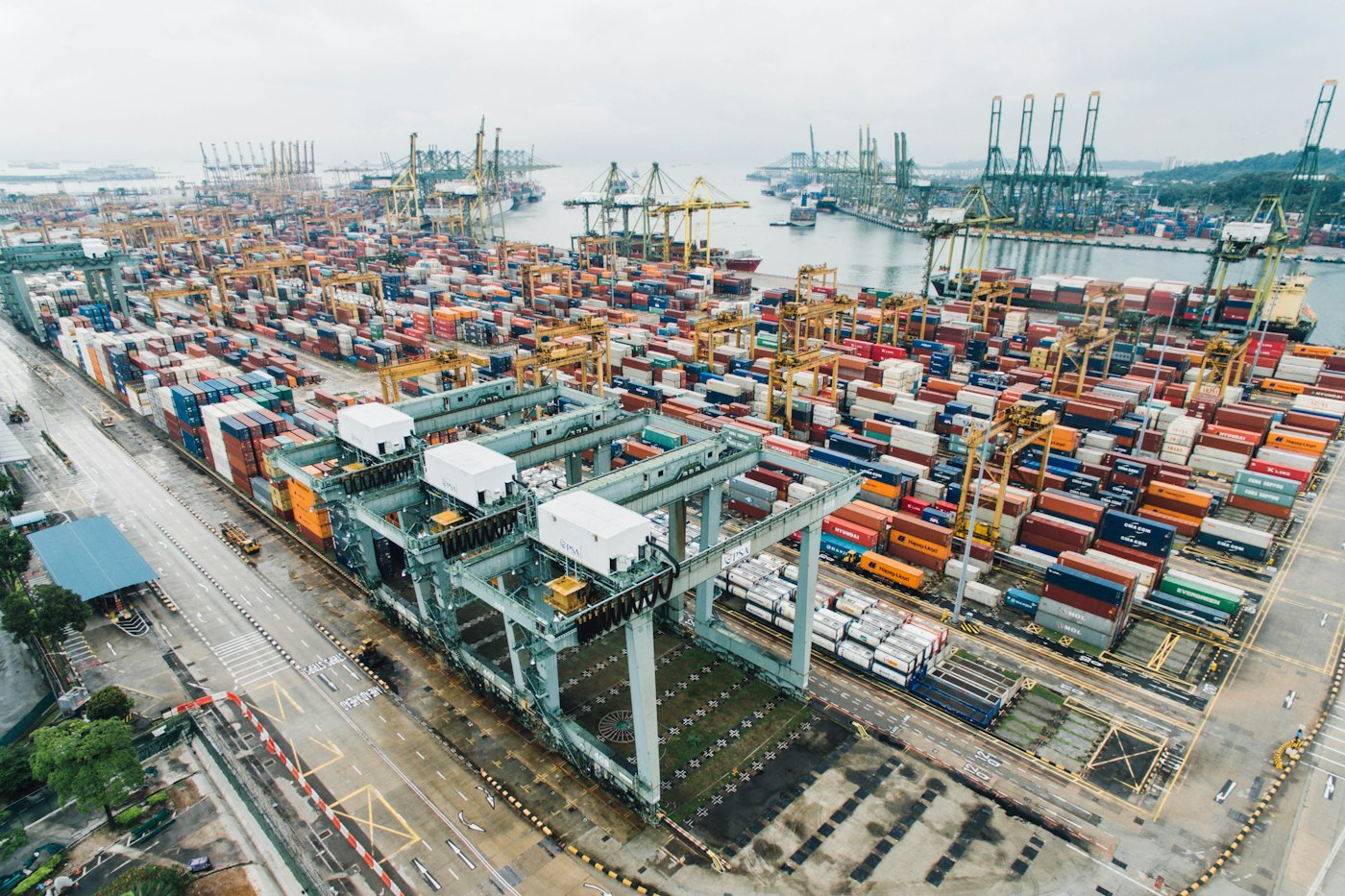
Scope 3 emissions are the indirect greenhouse gas emissions in an organisation's value chain: from the goods and services it buys, transport and distribution, business travel, employee commuting and waste, to the use and disposal of what it sells. The GHG Protocol groups them into 15 categories. For most organisations they are the largest share of total emissions.
Why Scope 3 matters
The largest source of emissions, and the most often overlooked
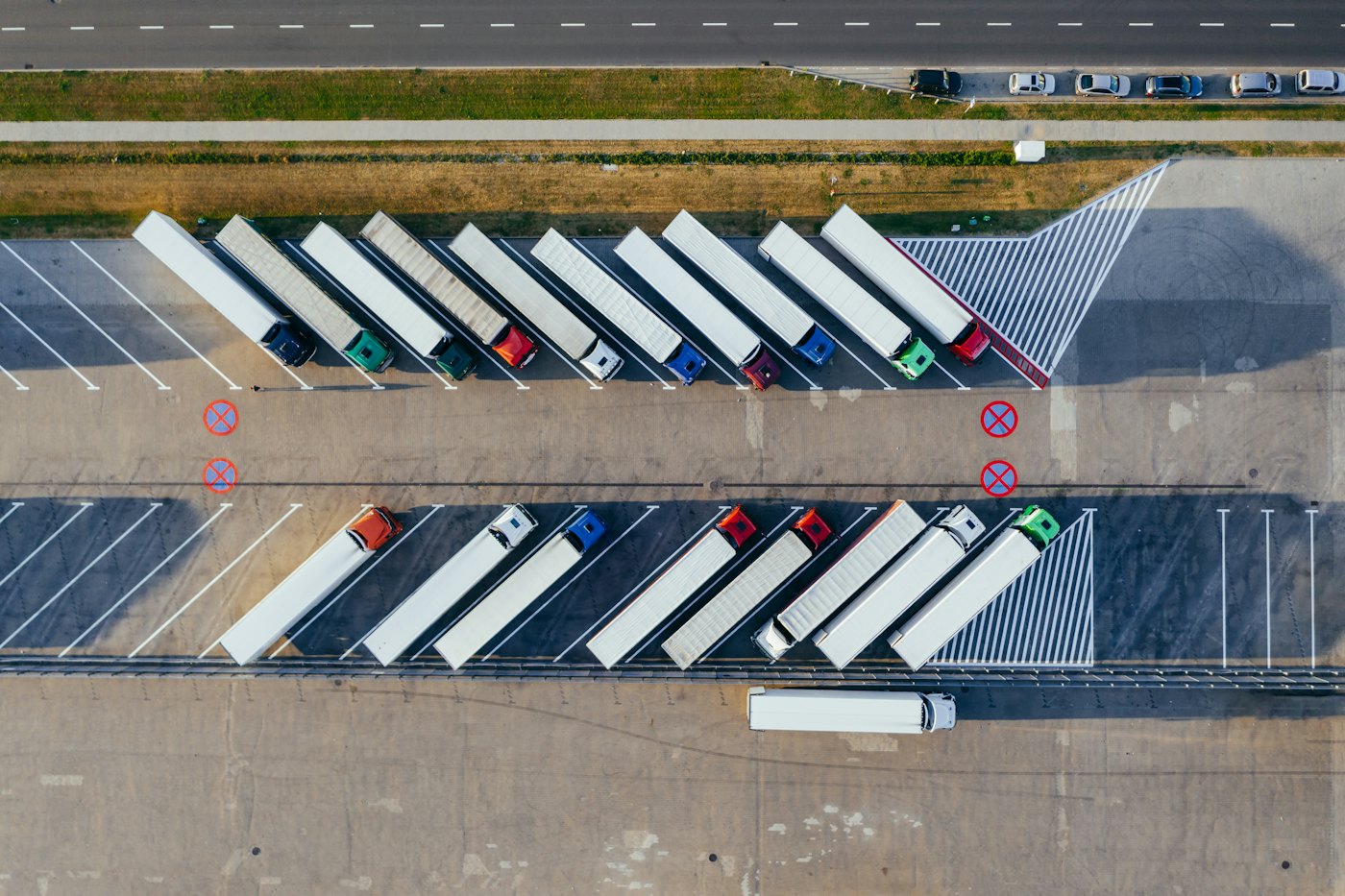
The GHG Protocol defines 15 categories of Scope 3 emissions, covering upstream and downstream activities. For most organisations these indirect emissions are the great majority of the total, yet they are the least understood and the hardest to measure.
A net zero strategy that deals only with Scope 1 and Scope 2 will not achieve much. Regulators, investors and customers increasingly require full Scope 3 disclosure, and from April 2027 the NHS will require every supplier to report all relevant Scope 3 emissions.
We support the whole process, from initial screening and data collection through to the reduction strategy and regulatory reporting.
GHG Protocol
The 15 Scope 3 categories
Upstream (categories 1 to 8)
- 1Purchased goods and services
- 2Capital goods
- 3Fuel- and energy-related activities
- 4Upstream transportation
- 5Waste generated in operations
- 6Business travel
- 7Employee commuting
- 8Upstream leased assets
Downstream (categories 9 to 15)
- 9Downstream transportation
- 10Processing of sold products
- 11Use of sold products
- 12End-of-life treatment
- 13Downstream leased assets
- 14Franchises
- 15Investments
Our process
How we work through Scope 3
- 01
Scope 3 screening
We identify and prioritise the Scope 3 categories that are most material to your organisation, using spend-based and activity-based screening.
- 02
Data collection
We draw up a data collection plan and gather primary and secondary data from across your value chain.
- 03
Emissions calculation
We calculate your Scope 3 emissions using GHG Protocol methodology and appropriate emission factors.
- 04
Hotspot analysis
We show where the largest emissions sit in your supply chain and wider value chain.
- 05
Reduction strategy
We develop a credible, science-aligned strategy to reduce Scope 3 emissions across your value chain.
- 06
Reporting and disclosure
We prepare Scope 3 disclosures for Carbon Reduction Plans, CDP, TCFD, CSRD and other reporting frameworks.
Start before the 2027 deadline
Scope 3 data takes time to collect because it sits with your suppliers. Begin the assessment now and you will be ready to report.